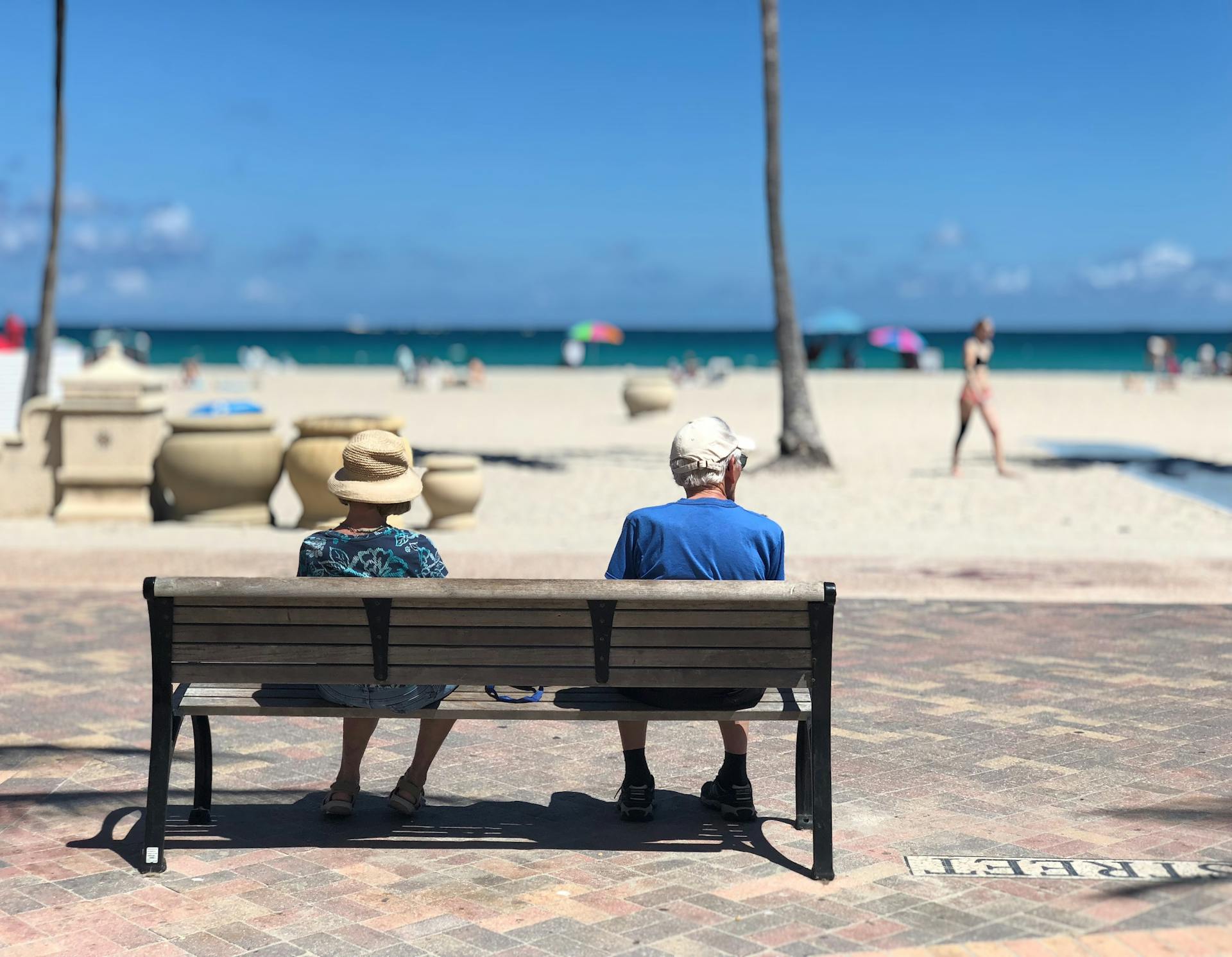
Thailand's retirement visa is one of the most popular long-stay visas in Southeast Asia — and also one of the most misunderstood. The process isn't hard, but the details matter. Get them wrong and you'll face delays, fines, or worse.
This is the complete, no-nonsense guide for 2025.
Who Qualifies?
The Thailand Retirement Visa (officially the Non-Immigrant OA visa) is for anyone who is 50 years of age or older. That's the only age-based requirement. There's no requirement to actually be retired — you just need to be 50+ and meet the financial criteria.
Financial Requirements: Three Options
You need to meet one of these three:
Option 1: Bank Deposit (Most Common)
Keep 800,000 THB (~$22,400 USD) in a Thai bank account. The money must be deposited at least 2 months before your annual extension application. After approval:
- Maintain a minimum of 400,000 THB at all times.
- Rebuild to 800,000 THB by 2 months before your next renewal.
Option 2: Monthly Income
Prove monthly income of at least 65,000 THB/month (~$1,900 USD) from pensions, social security, investments, or other passive sources. This is documented via a letter from your home country's embassy in Thailand certifying your income.
Option 3: Combination
A combination of income and savings that totals the equivalent of 800,000 THB annually — for example, 400,000 THB in a Thai bank plus documented annual income of 400,000 THB.
The Health Insurance Requirement
This is where most people get surprised — and it's gotten stricter. For the Non-OA visa, health insurance is mandatory and must meet specific coverage minimums.
Coverage Requirements
Your policy must provide at least 3,000,000 THB (~$100,000 USD) in total annual coverage. The insurance must be from a Thai-government-approved provider (12 approved companies, including AXA, AIA, Pacific Cross, and others).
What It Costs
| Age Range | Approximate Annual Premium |
|---|---|
| 50–59 | Under ฿20,000 ($580) for basic plans |
| 60–69 | ฿25,000–50,000 ($725–$1,450) |
| 70–75 | ฿69,000–81,000 ($2,000–$2,350) |
| 76+ | ฿120,000+ ($3,500+) — very limited options |
Required Documents
- Valid passport (minimum 6 months validity)
- Completed visa application forms
- Passport-size photos
- Police clearance certificate from your home country
- Medical certificate from a licensed doctor
- Proof of health insurance (Thai-approved policy)
- Bank statements or income documentation
The Application Process
Step 1: Apply for the Non-OA visa at a Thai embassy/consulate in your home country (now available online via thaievisa.go.th at most embassies). You receive a 90-day initial entry.
Step 2: Arrive in Thailand. Open a Thai bank account. Deposit 800,000 THB (if using the bank deposit method).
Step 3: Register your address with your landlord (TM30 form). They typically do this automatically — but worth confirming.
Step 4: Before your 90-day initial stay expires, visit your local immigration office to extend to a 1-year permission to stay.
Repeat annually.
90-Day Reporting
This catches people off guard. All retirement visa holders must report their current address to Thai immigration every 90 days. This is separate from, and in addition to, your annual visa renewal.
You can report in person at your local immigration office, by mail, or online through the Immigration Bureau's website (the online system has historically been unreliable — call the office if it's not working).
Penalty for late reporting: 2,000 THB fine. Not the end of the world, but avoidable.
The Re-Entry Permit Rule
This is the most common expensive mistake. If you hold an annual extension and you plan to leave Thailand temporarily — even for a weekend trip — you must obtain a re-entry permit before you leave. Leaving without one immediately cancels your current permission to stay. You'd have to start the whole extension process over from scratch.
- Single re-entry permit: 1,000 THB
- Multiple re-entry permit: 3,800 THB
Get the multiple re-entry permit. It's a few dollars more and saves you from a potentially expensive mistake.
Common Questions
Does the 800,000 THB have to stay in the bank forever? No — only 800K for 2 months before renewal. After approval, you can drop to 400K minimum. Rebuild to 800K by 2 months before next year's renewal.
Can I use an international insurance policy? Sometimes — but Thai-approved providers are the safe bet. Confirm acceptance with your specific immigration office, as requirements can vary between offices in Chiang Mai, Phuket, Bangkok, and elsewhere.
Can my spouse come on a retirement visa? Your spouse needs their own visa. If they're 50+, they can apply for their own retirement visa. Under 50, there's a Non-O dependent visa, but requirements differ.
Questions about this article? Amanda and the Settle in Abroad team answer Thailand relocation questions every day.
Book a Free Consultation Call