Section 4 of 7
Week Two -- Finding Their Feet
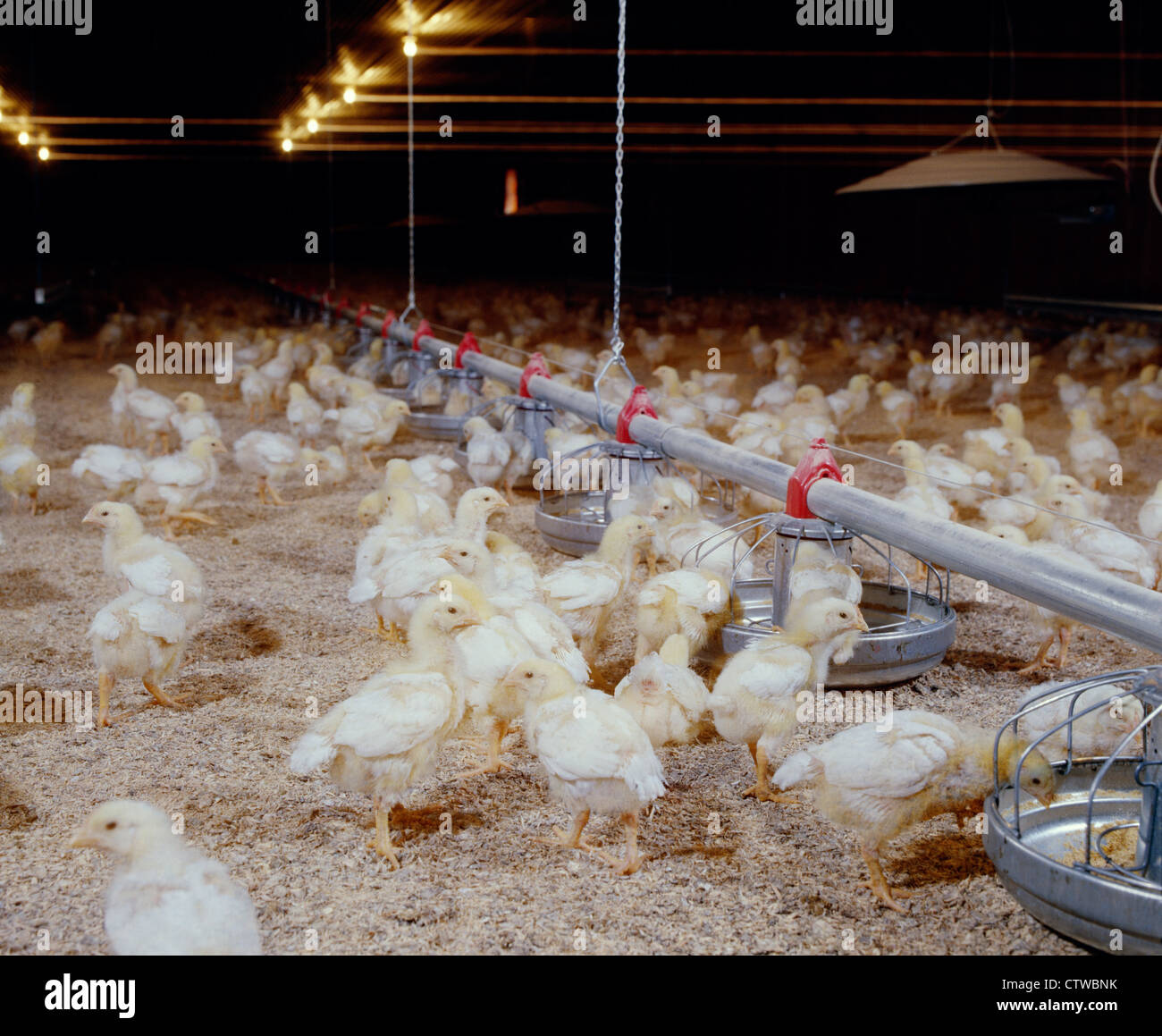
If you have made it through Week 1 with less than 1% mortality, you are doing well. Week 2 is about gradual transitions -- reducing temperature, upgrading equipment, starting vaccinations, and adjusting the lighting schedule. The chicks are stronger now, but they still need careful management.
Temperature Reduction Schedule
From Week 2 onwards, reduce the brooder temperature by 2--3 degrees C per week until reaching ambient temperature (typically around 22--24 degrees C by Week 4--5). The Week 2 target is 29--32 degrees C. (source)
| Week | Temperature (C) | Temperature (F) |
|---|---|---|
| 1 | 32--35 | 90--95 |
| 2 | 29--32 | 84--90 |
| 3 | 26--29 | 79--84 |
| 4 | 23--26 | 73--79 |
| 5+ | 20--23 (ambient) | 68--73 |
Sources: EntrepreneursHub; Vencomatic Group
Tip: Continue reading chick behaviour alongside the thermometer. If chicks are still huddling even at 29 degrees C, they need more warmth -- every flock is slightly different.
Feeder and Drinker Upgrades
By Week 2, chicks are too big for paper/egg flat feeding. Key transitions:
- Move from paper to proper hinge-type chick feeders if not already done
- Introduce larger drinkers gradually alongside the small 4-litre ones, so chicks learn to use them before the small ones are removed
- By end of Week 2, chicks should be using bulk feeders
Vaccination Schedule
Gumboro (Infectious Bursal Disease) -- First Dose
This is one of the most critical vaccinations for broilers in Zimbabwe. Administered via drinking water -- not by injection. Withhold water for 1--2 hours before administering so chicks are thirsty and drink the vaccinated water quickly. (source)
Newcastle Disease Booster
If recommended by your local vet or hatchery protocol. Confirm the schedule with your chick supplier or local veterinary officer -- protocols vary by region.
Do not skip Gumboro vaccination. Infectious Bursal Disease can wipe out an entire flock. The vaccine costs less than $2 for 100 birds -- skipping it to save money is one of the most expensive mistakes a new farmer can make.
Lighting Adjustment
Gradually reduce lighting to 18--20 hours of light per day by the end of Week 2. Darkness periods encourage rest and reduce leg problems associated with rapid growth. Do not switch from 24 hours to 18 hours overnight -- reduce by 1--2 hours every couple of days.
Feed
Continue with NovaFeed Broiler Starter Crumble through Day 14. Average individual consumption rises to approximately 30--45 grams per bird per day during Week 2. Add a stress pack supplement to the water during the upcoming Starter-to-Grower transition at the end of this week. (source)
Plan ahead: By the end of Week 2, your bag of NovaFeed Broiler Starter Crumble will be nearly empty. Have your NovaFeed Broiler Grower Pellet ready for the transition at Day 15. Mix 50/50 for 1--2 days to ease the switch.
Think About It
It is Day 9. You need to administer the Gumboro vaccine via drinking water. But when you check the drinkers, some chicks are already drinking. How do you ensure every chick gets the vaccine?
Remove all water 1--2 hours before vaccination so that every chick is thirsty. Prepare the vaccine according to package instructions, dissolving it in clean water (no chlorine or disinfectant -- these kill the live vaccine). Fill the drinkers with the vaccinated water and let chicks drink freely. The goal is for all 100 chicks to drink within 1--2 hours. Monitor to confirm all birds are actively drinking.
Check Your Understanding
For each statement, decide if it is True or False.
1. From Week 2, you should reduce brooder temperature by 2--3 degrees per week.
2. The Gumboro vaccine is injected into each chick individually.
3. Chicks should have 24 hours of light throughout the entire growing period.